Bloom Flower Embroidery Design Review
If you are preparing for a busy weekend at the local craft fair or refreshing your Etsy seller shop with fresh inventory, the visual impact of your machine embroidery design is everything. As an experienced designer who has spent years judging what stops a browser’s scroll and what makes a customer reach into their wallet, I look at every new file through a practical lens. Today, I am reviewing the Bloom Flower Embroidery Design, a piece described as combining "elegance and artistry" in a creatively styled flow. But does it hold up when stitched onto actual merchandise? Let’s break down its potential for your handmade business.
First Impressions: The Aesthetic Appeal
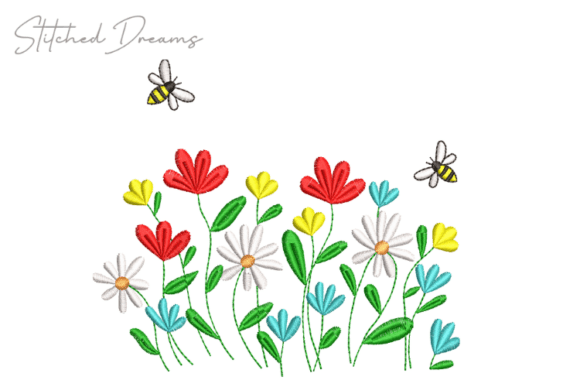
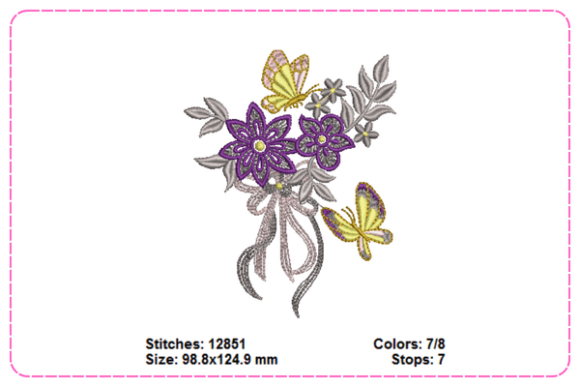
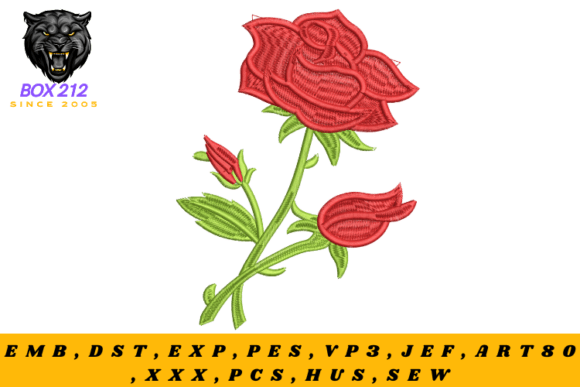
When you first load the embroidery file into your software, the immediate question is: what is the vibe? Based on the title and description, the Bloom Flower Embroidery Design leans heavily into elegance and artistry. It does not scream "funny" or "rustic farmhouse," nor is it strictly "minimal." Instead, it feels decorative and premium. This is crucial for booth display strength because customers often associate intricate, artistic designs with higher quality and value.
The "creatively styled flow" suggests a design that likely features organic curves and perhaps overlapping petals or leaves. In a crowded market setting, this kind of fluidity stands out against blocky, geometric patterns. It feels like a design that promises sophistication. For boutique makers targeting customers who appreciate fine details, this aesthetic hits the right note. It signals that the product is not just a mass-produced item but something crafted with care.
Product Versatility: Where Does It Shine?
One of the biggest challenges for craft fair sellers is finding a single design that works across multiple product categories without looking out of place. The Bloom Flower Embroidery Design excels here due to its adaptability. Because it is categorized under Single Flowers, it naturally lends itself to being a focal point rather than an all-over print.
- Tote Bags: This is perhaps the strongest candidate. A large tote bag design allows the flower’s full beauty to unfold. Whether placed centrally on a canvas tote or slightly off-center on a linen bag, the elegance translates well. Customers love functional items that also serve as fashion statements.
- Aprons and Kitchen Towels: For the home decor crowd, this design transforms a plain apron embroidery project into a gift-worthy item. On tea towels, the artistic style adds a touch of class to the kitchen. It appeals to buyers looking for hostess gifts or wedding presents.
- Caps and Patches: While flowers can work on caps, you must be careful with scale. If the design is too dense, it may lose clarity on the curved surface of a hat. However, as an embroidered patch sewn onto a denim jacket or a structured cap, it becomes a trendy accessory. Small pouches and fabric bags also benefit from this singular, striking motif.
- Pillow Covers: Soft furnishings are a high-margin category. A beautifully stitched bloom on a neutral pillow cover instantly elevates the perceived value of the item, making it a perfect handmade product for seasonal markets.
Production Practicalities and Sales Strategy
From a production standpoint, ease of use is key to profitability. The Bloom Flower Embroidery Design appears to have a clear structure, which generally means it stitches cleanly. When evaluating a design for batch production, I look for how easy it is to understand at a glance. A cluttered design can lead to long hooping times and frustrated operators. This design’s elegant flow suggests a logical stitch path, which helps maintain consistent stitch density and reduces thread breaks.
Photography is another critical factor. Online shoppers cannot touch the fabric; they rely entirely on images. A design with strong lines and defined shapes photographs better than one with muddy, indistinct areas. The artistic nature of this bloom likely offers good contrast between stitches, making it pop in photos. This is essential for creating compelling printable mockups for your online listings. You want the digital representation to promise the same quality as the physical item.
For small shop products, repeatability matters. Can you make ten of these in an afternoon? If the design requires excessive trimming or complex color changes, margins shrink. Assuming standard commercial practices, a single-color or two-tone version of this flower could be produced rapidly, allowing you to offer competitive pricing while maintaining healthy profits.
Risks and Careful-Use Notes
However, no design is without its pitfalls. Even though the description highlights elegance, we must consider technical limitations. If the Bloom Flower Embroidery Design contains tiny details or very thin lines, it may struggle on textured fabrics like heavy terry cloth tea towels or thick canvas. These textures can obscure fine stitching, causing the design to look blurry or incomplete.
Additionally, be mindful of the hoop size. If the design is large, you will need a larger hoop, which limits the types of garments you can embroider (e.g., sleeves or cuffs become impossible). Always check the maximum dimensions before committing to a product line. Furthermore, if you attempt to digitize a smaller version for patches, ensure that the thread colors provide enough contrast. Dark fabrics often require a light underlay or specific stabilizer choices to prevent the design from sinking into the material.
Designer’s Checklist for Success
Before you rush to produce dozens of finished products, follow these professional steps to ensure the Bloom Flower Embroidery Design meets your standards:
- Test on Scrap Fabric: Never run a new design directly onto your final product. Stitch it on the exact fabric type you plan to sell—be it cotton, linen, or polyester blend—to see how the threads interact with the texture.
- Check Thread Contrast: Evaluate different thread colors against your base fabric. A pale yellow flower might disappear on cream fabric but shine on navy blue. Contrast drives sales.
- Inspect Stitch Density: Look closely at the fill areas. Are there gaps? Is the backing visible? Proper density ensures durability and a premium feel.
- Confirm Stabilizer Choice: Use the right stabilizer for your fabric weight. Heavy cut-away stabilizers are often needed for knits or stretchy materials to prevent distortion.
- Create Real Mockups: Make at least one complete sample. Photograph it in natural light. Does it look as good in person as it did on screen?
- Verify Licensing: Most importantly, confirm commercial licensing terms. Ensure you are legally allowed to sell finished goods made from this digital embroidery file. Selling without proper rights can lead to serious legal issues.
Final Verdict
The Bloom Flower Embroidery Design is a strong contender for any creative entrepreneur looking to add elegance to their catalog. Its artistic flow and single-flower focus make it versatile for totes, aprons, and home decor. It captures attention through sophistication rather than novelty, appealing to buyers who value quality craftsmanship. By testing carefully and choosing the right products, you can turn this design into a best-selling asset for your booth or online store. Just remember: always prioritize fabric compatibility and proper licensing to protect your brand and your bottom line.