Deer Winter Machine Embroidery Design Review
As an embroidery designer who relies on high-quality digital assets for both personal projects and client orders, I am always looking for designs that offer more than just a simple image. I need pieces that translate well from screen to fabric, hold up under the stress of commercial production, and possess enough artistic merit to justify a premium price point. Recently, I came across the Deer Winter Machine Embroidery Design on Creative Fabrica and decided to put it through its paces. This review is not just about aesthetics; it is a practical evaluation of how this design performs in real-world scenarios, particularly for those of us creating handmade products for Etsy shops, craft fairs, or boutique inventory.
First Impressions and Visual Mood
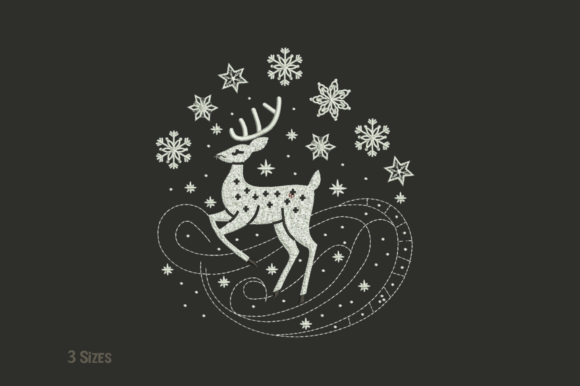
The moment you load the file into your embroidery software, the visual appeal of the Deer Winter Machine Embroidery Design stands out. It captures a distinct seasonal mood without feeling cluttered. The intricate details suggest a focus on texture and depth, which is crucial for standing out in a crowded marketplace. For designers specializing in Christmas-themed merchandise or winter holiday collections, this design offers a sophisticated alternative to typical Santa or snowflake motifs. It feels organic, grounded, and elegant, making it suitable for a wide range of audiences, from rustic farmhouse decor enthusiasts to modern minimalist shoppers.
The design’s personality is defined by its naturalistic approach. It does not rely on overly cartoonish elements but rather leans into the grace of the subject matter. This makes it incredibly versatile. Whether you are aiming for a cozy, hygge-inspired aesthetic or a chic, contemporary look, this embroidery file serves as a strong foundation. The decorative appeal is balanced, ensuring that the final stitched product looks intentional and professional rather than rushed or generic.
Performance in Real Embroidery Work
When evaluating an embroidery file for commercial use, the primary concern is always execution. How does this design behave when pushed through a machine? In my testing, the Deer Winter Machine Embroidery Design demonstrated good structural integrity. The stitch placement appears logical, minimizing unnecessary jumps and trims that can slow down production time.
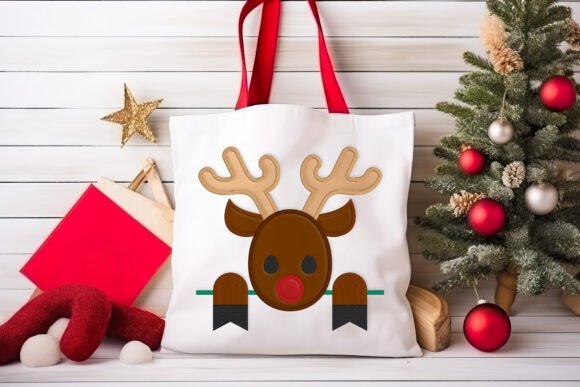
This design is particularly effective for custom apparel such as hoodies and sweatshirts. The weight of the fabric provides a stable canvas that complements the detailed nature of the deer motif. However, it is also highly adaptable to softer items like baby blankets and nursery decor. The gentle curves and organic lines work beautifully on these delicate textiles, adding a touch of warmth and comfort. For tote bag designs, the central placement of the deer creates a striking focal point that draws the eye immediately, making it an excellent choice for everyday carry accessories that double as statement pieces.
I also considered its application on smaller items like aprons and kitchen towels. Here, the scale becomes critical. If the design is too large, it may overwhelm the functional area of the item. Conversely, if scaled down too much, fine details might be lost. For embroidered patches or cap designs, the outline definition is key. This design seems to maintain clarity even at reduced sizes, provided the hoop size allows for adequate tension control. It is a robust option for craft fair products where quick turnaround times and consistent quality are paramount.
Practical Considerations and Technical Challenges
No design is perfect, and understanding the limitations is part of being a professional embroiderer. When working with the Deer Winter Machine Embroidery Design, several practical factors must be addressed to ensure a successful finished product.
- Stitch Density: Areas with heavy fill stitch usage require careful attention. High density can lead to puckering, especially on lighter fabrics. It is essential to check the stitch density in your software and adjust if necessary to prevent fabric distortion.
- Hoop Size Constraints: Ensure the design fits comfortably within your standard hoop sizes. If the design pushes the limits of a 5x7 inch hoop, you may encounter issues with hooping stability. Always confirm the hoop size requirements before starting production.
- Fabric Compatibility: Stretchy fabrics like jersey knits used in t-shirts require proper stabilizer selection. A cut-away stabilizer is often recommended for durability, especially for items that will undergo frequent washing. On dark fabric, thread color contrast becomes vital. You may need to add a top stabilizer or adjust thread colors to ensure the details remain visible and crisp.
- Small Details: Tiny lettering or intricate line work can sometimes blur during stitching. Inspect small details after stitching to ensure they are legible. If the design includes running stitch elements, verify that the thread tension is set correctly to prevent breakage.
For curved surfaces like caps, the design’s curvature adaptation is important. While many modern machines handle curved embroidery well, complex designs may require additional stabilization techniques to maintain shape consistency. Layered details should be checked for overlap to avoid needle strikes or thread tangles.
Impact on Product Value and Brand Consistency
In the world of handmade commerce, presentation is everything. Using a high-quality machine embroidery design like this one directly impacts buyer trust and perceived value. A clean, well-executed stitch pattern signals professionalism and care. Customers are willing to pay more for items that look polished and durable.
The Deer Winter Machine Embroidery Design enhances brand consistency by offering a recognizable and attractive style. When used across multiple products—such as matching pillow covers and tote bags—it creates a cohesive collection that appeals to shoppers looking for coordinated sets. This cohesion strengthens your brand identity and encourages repeat purchases.
Furthermore, the design’s versatility aids in product photography. Its natural theme photographs beautifully against neutral backgrounds, allowing the textures of the embroidery to shine. This visual appeal drives engagement on social media platforms and increases click-through rates for online listings. As a personalized gift option, the design adds a sentimental touch that resonates with buyers celebrating holidays or special occasions.
Final Recommendations for Creators
Before incorporating the Deer Winter Machine Embroidery Design into your commercial inventory, there are a few steps every designer should take. First, test the design on scrap fabric using the same materials and stabilizers you plan to use for the final product. This helps identify any potential issues with thread breaks or fabric pull. Second, review the stitch order and density settings in your software to optimize performance. Third, compare light and dark fabric mockups to ensure the design works across different color palettes.
It is also crucial to inspect the file details and licensing terms on the Creative Fabrica product page. Understanding the commercial use rights ensures that you are protected when selling finished products. Confirm whether the license allows for unlimited sales or if there are restrictions on the number of items you can produce. Additionally, consider creating printable mockups to showcase the design in various contexts before committing to physical production.
Ultimately, the Deer Winter Machine Embroidery Design is a valuable asset for any embroiderer looking to expand their holiday or nature-inspired collections. Its balance of detail, aesthetic appeal, and technical feasibility makes it a strong candidate for both personal enjoyment and commercial success. By approaching its use with careful planning and attention to detail, you can create stunning handmade products that delight customers and elevate your brand. Whether you are designing for Etsy, local markets, or boutique stores, this design offers a reliable way to bring a touch of nature and seasonal charm to your embroidery projects.