Happily Ever After Couple Embroidery Review
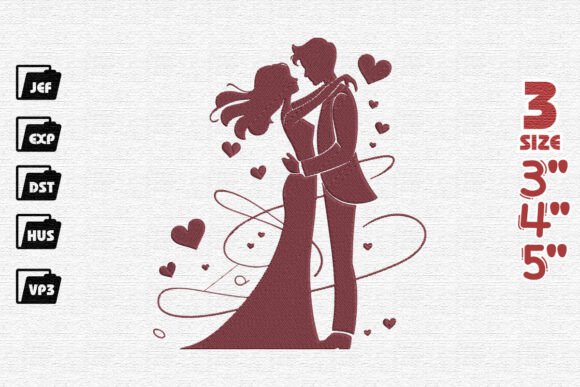
As a designer who spends half the day staring at stitch charts and the other half troubleshooting tension issues on vintage machines, I don’t just buy embroidery files; I stress-test them. The market is flooded with generic heart shapes and clip-art couples, so when I came across Happily Ever After Couple Embroidery, I was skeptical. But after running it through my workflow for a recent batch of custom gifts, I found myself genuinely impressed by its practical application. This isn’t just another decorative file; it is a versatile asset that balances romantic sentiment with clean, stitchable geometry.
First Impressions: Mood and Visual Personality
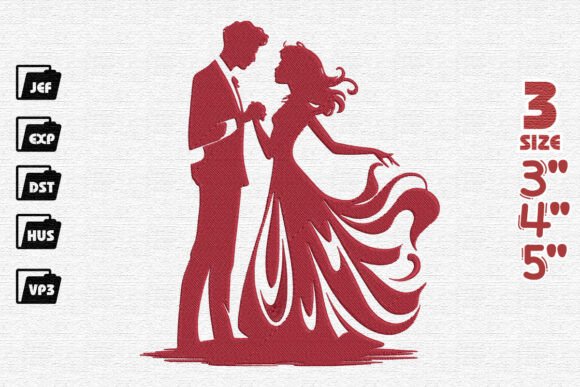
The moment you load the file into your digitizing software, the layout speaks to you. Unlike many Valentine’s Day designs that feel cluttered with excessive script or tiny, fragile details, this design relies on a beautifully detailed silhouette of a couple sharing a tender moment. It creates an immediate sense of intimacy without being overly saccharine. The visual personality is modern yet timeless, which is crucial if you want your finished product to appeal to a broad audience rather than just trend-chasers.
For small business owners and Etsy sellers, this distinction matters. Customers are increasingly looking for "quiet luxury" or understated elegance in their handmade goods. This design delivers that vibe. It feels like a boutique branding element rather than a mass-produced craft fair item. The silhouette approach allows the shape to read clearly even from a distance, making it ideal for apparel where the logo or graphic needs to stand out against fabric texture.
Real-World Application: From Scrap to Sale
I decided to test Happily Ever After Couple Embroidery in a real-world scenario: creating a line of personalized tote bags and sweatshirts for a holiday gift guide. The goal was to see how it performed on different materials and how it translated into a handmade product that could command a premium price point.
- Tote Bags: On canvas totes, the design popped beautifully. Because the silhouette uses solid areas, it works exceptionally well as an applique design alternative or a dense fill area. It anchors the bag visually without overwhelming the natural texture of the cotton canvas. For an Etsy seller, this translates to a high perceived value because the finish looks crisp and professional.
- Sweatshirt Embroidery: Testing this on fleece-backed hoodies revealed its versatility. The design holds up well against the bulk of the fabric. When paired with contrasting thread colors, such as cream thread on a charcoal hoodie, it becomes a standout piece of custom apparel. It feels cozy and romantic, perfect for a personalized gift for anniversaries or weddings.
- Baby Items: I also experimented with placing this on muslin baby blankets. While the theme is romantic, the softness of the lines makes it appropriate for nursery decor or baby shower gifts. It bridges the gap between Valentine S Day themes and general love-themed gifting, expanding your potential customer base beyond just couples.
Technical Performance and Stitch Quality
From a technical standpoint, the digitization shows careful consideration of stitch density. In many cheaply made digital embroidery files, designers pack stitches too tightly, causing the fabric to pucker or the bobbin thread to show through. Here, the balance seems well-calibrated. The use of satin stitch for any outlining or fine edges appears smooth, while the interior fills likely utilize a combination of fill stitch and perhaps some running stitch accents to reduce bulk.
This balance is critical for commercial embroidery projects where durability is key. If a customer washes their embroidered patch or apron frequently, loose or overly dense stitches will unravel or distort. This design’s structure suggests it will withstand the wear and tear of daily use, which builds customer trust and reduces returns for shop owners.
Where Caution Is Required
However, no design is perfect for every surface. There are specific scenarios where Happily Ever After Couple Embroidery requires careful handling:
- Small Hoop Sizes: If you attempt to digitize this into a very small hoop size (under 3 inches), you risk losing the definition of the couple’s features. The silhouette might merge into a blob. Keep the minimum size large enough to preserve the negative space.
- Textured and Stretchy Fabrics: Avoid using this on highly textured fabrics like chunky knits or stretchy spandex blends without proper stabilization. The curves of the silhouette can distort on curved surfaces like caps or hats if the stabilizer isn’t heavy-duty enough. Always test on scrap first.
- Dense Stitch Areas: Be mindful of the density in the center of the design. On thin fabrics like silk or lightweight polyester, this area might be too rigid. Use a cut-away stabilizer to prevent puckering.
- Dark Fabric Contrast: If you plan to embroider this on dark backgrounds, ensure your chosen thread colors have sufficient contrast. A black-on-black version might look artistic but could lose legibility. Lighter threads or metallics often work best here.
Strategic Value for Creators
For creative entrepreneurs and makers, the true value of this file lies in its adaptability. It isn’t locked into a single niche. You can use it for kitchen towels with a romantic twist, as an embroidered patch for denim jackets, or even as a focal point for pillow covers in home decor.
Consider the marketing angle. When you present this as part of your design assets, you aren’t just selling a pattern; you are selling a mood. The "Happily Ever After" narrative resonates deeply with buyers looking for holiday embroidery items or wedding favors. It enhances the giftability of your products, making it easier for customers to justify the purchase as a meaningful gesture.
Practical Designer Notes
Before adding this to your inventory or starting production, follow these steps to ensure success:
- Test on Scrap: Never go straight to the final product. Run the design on the exact fabric type you intend to sell. Check for fabric texture interaction and stitch pull.
- Check Licensing: Confirm whether the license allows for commercial use of the finished product. Some machine embroidery design files are personal-use only. Clear licensing protects your craft business from legal issues.
- Mockup Variations: Create printable mockups showing the design in different colorways. Compare light and dark fabric backgrounds to help your small shop product listings stand out visually.
- Inspect Details: Zoom in on the digitizing. Look for jump stitches that might need trimming or underlay that ensures stability. A clean finish elevates your brand’s professionalism.
Final Verdict
Happily Ever After Couple Embroidery is more than just a cute graphic; it is a well-executed embroidery project that respects both the machine’s capabilities and the wearer’s aesthetic. It offers a sophisticated take on romance that fits seamlessly into apparel decorators’ portfolios and digital product sellers’ libraries alike. Whether you are crafting a one-off personalized gift or scaling up production for a seasonal sale, this design provides the reliability and visual appeal needed to succeed. It is a smart addition to any serious creator’s toolkit, offering strong potential for engagement and sales in the competitive world of handmade goods.