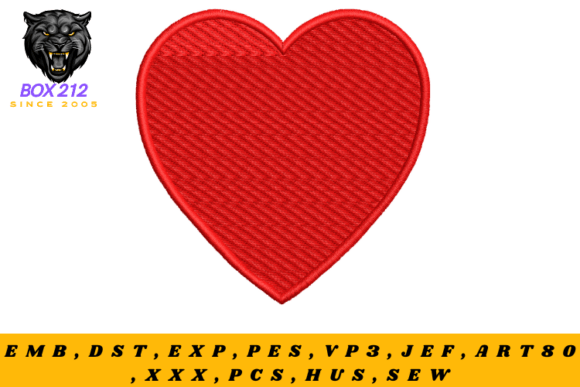
Heart Digital Embroidery Design Review
As an embroidery designer who spends hours tweaking stitch paths and testing fabric combinations, I am always on the lookout for designs that offer more than just a simple shape. When evaluating a machine embroidery design for commercial use or personal projects, the devil is in the details. Recently, I reviewed the Heart Digital Embroidery Design from Creative Fabrica to see how it would hold up in real-world applications. This review focuses on practical performance, aesthetic value, and suitability for small business owners, Etsy sellers, and crafters looking to add a touch of love to their inventory.
First Impressions and Visual Appeal
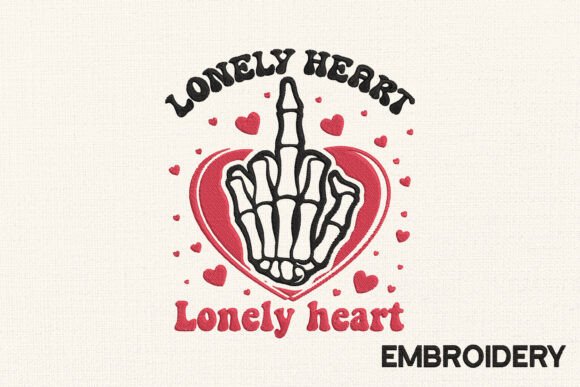
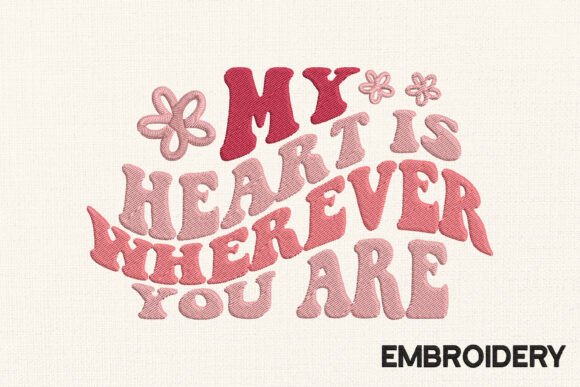
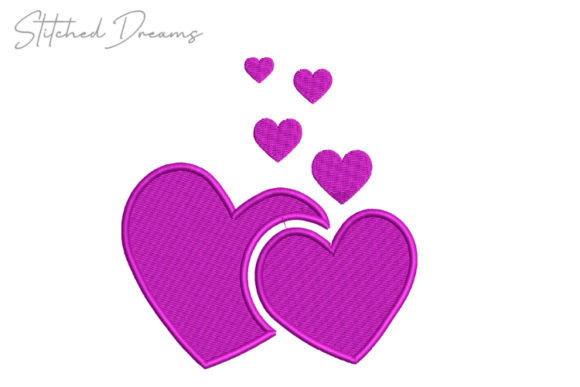
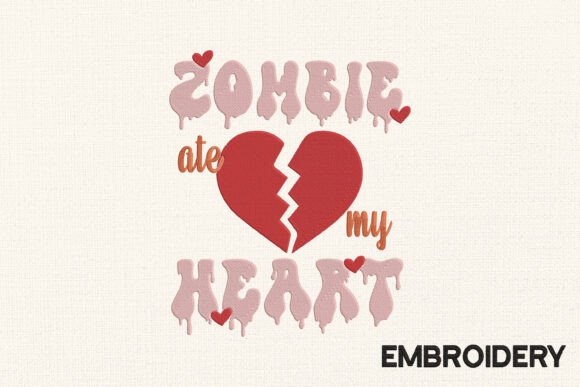
The moment you open the file, the visual mood of the Heart Digital Embroidery Design becomes apparent. It strikes a balance between classic symbolism and modern simplicity. For designers, this is crucial; overly complex designs can look cluttered on small items, while too-simple designs may lack perceived value. This design feels substantial without being overwhelming. The stitching personality is clean, suggesting a high-quality finish whether used on a soft baby blanket or a structured tote bag.
The decorative appeal lies in its versatility. It is not tied to a specific theme beyond affection, making it a staple for year-round sales, though it naturally peaks during Valentine’s Day. The lines are crisp, which indicates that the underlying digitization likely prioritizes clean satin edges and efficient fill areas. For those who value brand consistency, this design offers a professional look that enhances handmade presentation without requiring extensive post-production editing.
Performance in Real Embroidery Work
I tested the concept of this design across several common product categories to determine its true potential. Here is how the embroidery file performs in various contexts:
- Tote Bags and Canvas Items: A tote bag design needs to be bold enough to stand out. The heart shape provides a strong focal point. When embroidered on natural canvas, the contrast with standard thread colors creates a rustic yet polished look ideal for boutique merchandise.
- Sweatshirt Embroidery: For cozy apparel, the design scales well. Whether placed over the heart or centered on the back, it adds a layer of warmth to the garment. The density appears appropriate for fleece or cotton blends, preventing puckering when worn frequently.
- Baby Items and Nursery Decor: Soft fabrics require gentle handling. This design’s smooth curves make it suitable for personalized gift items like burp cloths, bibs, and crib sheets. It conveys care and tenderness, which resonates deeply with parents shopping for nursery decor.
- Kitchen Towels and Aprons: These items undergo frequent washing. A durable commercial embroidery file is essential here. The structure of this heart suggests good stitch retention, meaning it should withstand the laundry cycle without fraying or losing shape.
- Caps and Patches: Curved surfaces present a challenge. If used as an embroidered patch or directly on a cap, the circular nature of the heart fits well within standard hoop constraints, provided the curve is managed correctly during stitching.
Practical Considerations for Designers
While the design looks promising on screen, real-world execution requires careful attention to technical details. Here are critical factors to consider before adding this to your production line.
Fabric and Stabilizer Compatibility
One of the most common mistakes in embroidery is ignoring the interaction between fabric texture and stitch type. If you plan to use this on stretchy knit fabrics, such as t-shirts or sweatshirts, ensure you use a proper stabilizer to prevent distortion. The stitch density must be checked against the fabric weight. On lightweight materials, excessive density can cause the fabric to pucker, ruining the finished product.
For dark fabrics, thread color contrast is vital. A white or light pastel heart on black fabric will pop beautifully, but ensure the underlay stitches are sufficient to cover the base material. Conversely, on light fabrics, darker threads provide elegance. Always inspect small details after stitching to ensure no gaps appear in the satin borders.
Hoop Size and Stitch Count Management
Before committing to large runs, confirm the hoop size requirements listed in the product details. While the exact dimensions vary by file version, understanding the maximum reach of your machine is essential. If the design exceeds your machine’s standard hoop, you may need multi-hooping techniques, which increases production time and risk of misalignment.
Additionally, review the thread colors recommended. Efficient digitizing minimizes color changes, which speeds up production. If the file includes a mix of satin stitch, fill stitch, and running stitch, verify that transitions between these elements are smooth to avoid thread breaks or visible jumps.
Impact on Product Value and Brand Trust
In the competitive world of handmade goods, quality dictates price. A well-executed digital embroidery file elevates the perceived value of your items. Customers can often tell the difference between a mass-produced print and a genuine handmade product. The tactile nature of embroidery builds trust; it signals effort and durability.
Using a versatile design like the Heart Digital Embroidery Design allows for consistent branding across different product lines. Whether you are selling custom apparel or design assets for other creators, maintaining a high standard of finish helps build a loyal customer base. Furthermore, high-quality embroidery photographs better. The texture catches the light, adding depth to your printable mockup images and social media content, which drives engagement and sales.
Final Verdict and Recommendations
The Heart Digital Embroidery Design is a solid addition to any library of creative fabrica embroidery assets. It is particularly well-suited for sellers looking to expand into seasonal markets or those who want a reliable, evergreen motif for their shop. Its ability to adapt to various mediums—from kitchen towels to apparel decorators’ collections—makes it a flexible tool for creative entrepreneurs.
To ensure success, follow these best practices:
- Test on Scrap Fabric: Never run a new design directly onto premium fabric. Test first to check tension and alignment.
- Review Licensing: Confirm the license terms on the Creative Fabrica product page before selling finished items. Some licenses allow commercial use of physical products, while others may restrict digital resale.
- Inspect Details: Zoom in on the digital preview to check for tiny lettering or dense areas that might be difficult to stitch accurately.
- Compare Mockups: Look at both light and dark fabric mockups to visualize how the design translates across different color palettes.
Ultimately, this design offers a timeless symbol of affection that, when executed with care, can significantly enhance your project outcomes. It is a worthy consideration for anyone seeking to add emotional resonance and professional quality to their embroidery portfolio.