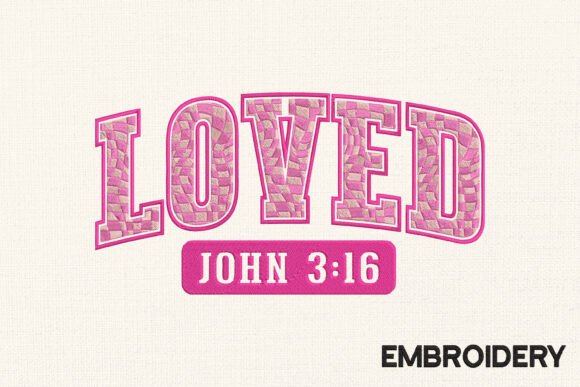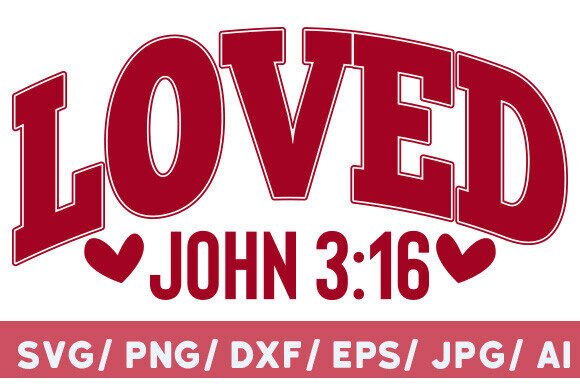
Loved John 3 16 Embroidery Design, Valen
As an embroidery designer who has spent years turning digital concepts into tangible brand assets, I approach every new file with a critical eye. We aren’t just looking for pretty pictures; we are looking for commercial viability, stitch efficiency, and brand impact. Today, I am reviewing the Loved John 3 16 Embroidery Design, Valen. While the product listing categorizes this under T-Shirt Designs and Graphics, my review focuses strictly on its application in professional embroidery workflows. This is a digital embroidery file intended for small business owners, apparel decorators, and crafters who need reliable design assets for branded merchandise.
First Impressions: Visual Personality and Professionalism
The title Loved John 3 16 Embroidery Design, Valen suggests a blend of faith-based sentimentality and perhaps a specific aesthetic style implied by "Valen." In the world of custom apparel, religious or inspirational motifs are staples for boutiques, bakeries, and creative studios. From a design perspective, this piece likely leans towards a classic or elegant presentation rather than a playful or overly modern one. The name implies a focus on legibility and emotional connection, which are crucial for customer engagement.
For small business merch, the visual weight of the design matters immensely. If this design features intricate details, it may struggle at smaller scales. However, if it relies on bold outlines and clean spacing, it becomes a versatile tool for everything from staff uniforms to high-end tote bag designs. The immediate impression should be whether the design feels premium enough to justify a retail price point or friendly enough to serve as a welcoming accent on apron embroidery.
Real-World Business Applications
Let’s look at how Loved John 3 16 Embroidery Design, Valen performs across various commercial use cases. Small businesses often seek consistency across their product lines, and a well-executed embroidery file can bridge the gap between physical goods and brand identity.
- Embroidered Patches: One of the most profitable applications for a design like this is creating iron-on or sew-on patches. These serve as excellent add-ons for denim jackets, backpacks, or client gifts. The design needs to hold up when digitized specifically for patch construction, ensuring the edges are clean and the density supports a stable backing.
- Staff Uniforms and Aprons: For cafes, florists, or boutiques, uniform branding builds trust. Placing Loved John 3 16 Embroidery Design, Valen on the chest area of work shirts or the pocket of apron embroidery creates a subtle but recognizable brand mark. It signals professionalism without being overly loud.
- Caps and Headwear: Cap embroidery requires careful consideration of curvature. If the design has wide horizontal elements, it may pucker on a curved cap front. However, if it is compact, it serves as a perfect focal point for event merch or promotional giveaways.
- Tote Bag Design: Canvas totes are a staple for handmade brands. A centered or corner-placed version of this design adds value to the finished product. It transforms a generic item into a branded asset that customers are proud to carry, increasing organic marketing.
- Product Packaging Accents: Beyond apparel, this design can be used on hang tags, labels, or even embroidered directly onto fabric gift bags. This level of detail elevates the unboxing experience and reinforces the handmade product quality.
Strategic Placement and Cautionary Notes
Not every placement works for every design. As a designer, I advise caution when applying Loved John 3 16 Embroidery Design, Valen to certain items. Small patch sizes demand simplicity; if the design contains tiny lettering or fine lines, it will become muddy when stitched at two inches wide. Always inspect spacing before committing to production.
Fabric texture also plays a significant role. On highly textured fabrics like heavy tweed or loose-weave linen, the definition of the design may be lost. Similarly, dark uniforms require careful thread color contrast selection. If the background is black and the design uses light threads, you must ensure sufficient underlay stitching to prevent show-through. Conversely, on light fabrics, dark threads might bleed if the stabilizer isn't properly managed.
High stitch density can lead to stiffness, which is undesirable for soft apparel but acceptable for rigid patches. Be mindful of hoop size limitations; complex designs may require larger hoops, restricting where they can be placed on pre-sewn garments like sleeves or collars.
Impact on Brand Identity and Customer Trust
Embroidery is tactile. Unlike printed graphics, stitches have depth and texture. When a customer touches an embroidered logo, it conveys permanence and quality. Using Loved John 3 16 Embroidery Design, Valen effectively enhances brand identity by associating your products with durability and care. It suggests that you value the details, which translates to higher perceived value and customer trust.
Furthermore, consistent use of design assets across different mediums—whether it’s a printable mockup for online listings or the actual physical garment—creates visual cohesion. This consistency is key for Etsy sellers and online merchants who rely on strong visual branding to stand out in crowded marketplaces. A well-stitched design reflects positively on the maker’s skill, encouraging repeat purchases and positive reviews.
Practical Designer Notes for Production
Before adding Loved John 3 16 Embroidery Design, Valen to your production queue, follow these essential steps to ensure a successful outcome:
- Test in Black and White: Convert the design to monochrome first. This helps you evaluate the balance and negative space without the distraction of thread colors.
- Check Stitch Density and Hoop Size: Review the digitization settings. Ensure the stitch count is efficient for your machine and that the required hoop size fits your production workflow.
- Verify Thread Color Contrast: Select thread colors that pop against your target fabric. Low contrast can make the design look faded or unfinished.
- Stabilize Properly: Use the correct stabilizer for your fabric type. Cut-away stabilizers are generally best for knitwear and frequent washing, while tear-away may suffice for woven cottons used in one-time events.
- Create a Printable Mockup: Before stitching dozens of units, create a high-quality printable mockup. Show this to clients or stakeholders for approval to avoid costly mistakes.
- Confirm Commercial Licensing: The product description states this is a digital download including SVG and EPS files. However, always double-check the license terms to ensure you are permitted to sell finished goods created with this design asset.
- Inspect Spacing and Outlines: Zoom in on the vector files. Look for overlapping paths or thin lines that might cause thread breaks during embroidery.
In conclusion, Loved John 3 16 Embroidery Design, Valen offers a compelling option for businesses seeking to add a touch of elegance and meaning to their merchandise. By understanding its strengths and limitations, you can leverage this design to create cohesive, high-quality branded products that resonate with your audience. Whether used for custom apparel, embroidered patches, or tote bag design, this file can be a valuable addition to your design assets library.