Reviewing Embroidery Motif for Boutique Apparel
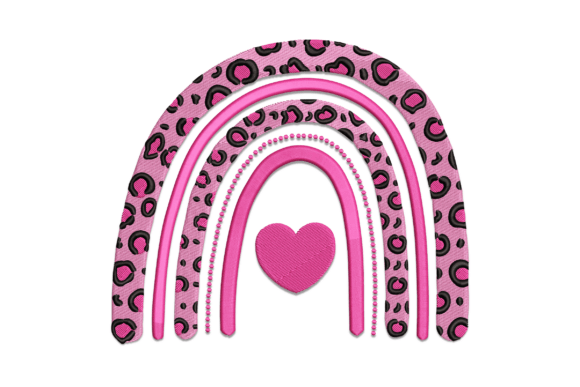
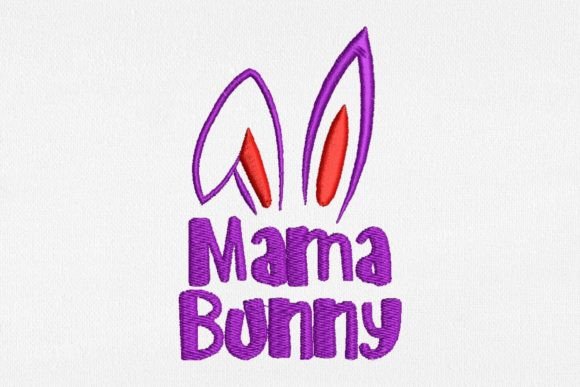
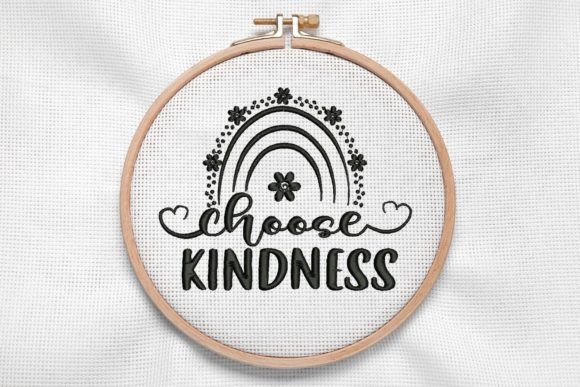
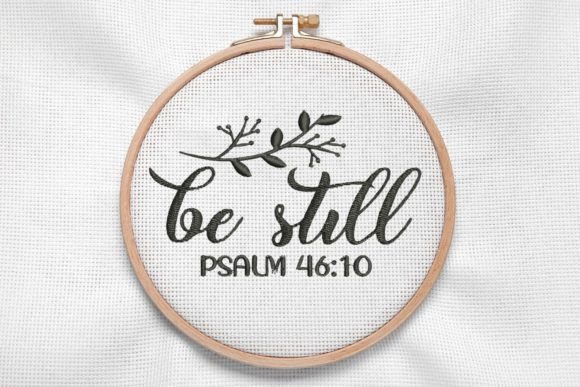
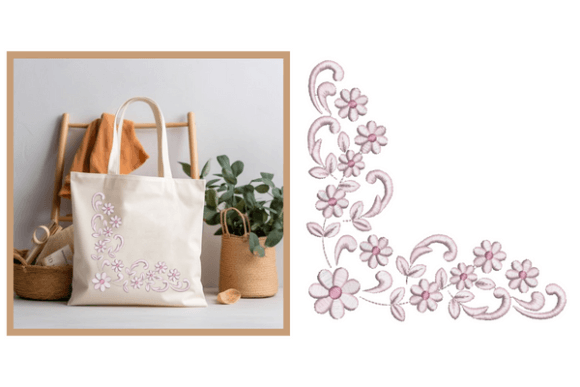
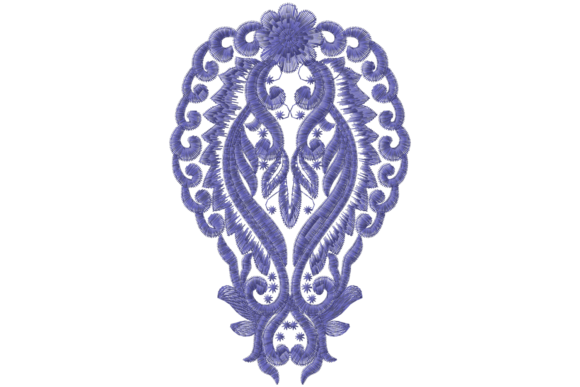
As an embroidery designer who spends hours agonizing over stitch direction and thread tension, I am always on the lookout for designs that elevate a simple garment into a statement piece. Recently, I came across Embroidery Motif on Creative Fabrica, and it immediately caught my eye for potential use in my upcoming boutique apparel collection. This embroidery design, suitable for both clothing and home furnishings, features a monochromatic color scheme. The artwork is beautifully embroidered using a single color, creating a sophisticated and timeless aesthetic that feels both modern and classic.
In this review, I will walk you through how Embroidery Motif might perform when applied to various garments, from oversized hoodies to structured denim jackets. Whether you are an Etsy seller, a small shop owner, or a creative entrepreneur looking to expand your commercial embroidery offerings, understanding the visual weight and placement options of a design is crucial before committing to production.
First Impressions: Visual Mood and Design Strength
The first thing you notice about Embroidery Motif is its clean, monochromatic approach. In a market saturated with multi-color, high-contrast designs, a single-color execution often signals a higher level of sophistication. It allows the texture of the fabric and the quality of the stitches to take center stage rather than competing with vibrant threads. This makes it incredibly versatile for building a cohesive brand identity.
The design strikes a balance between being bold enough to be noticed from a distance yet subtle enough to feel like a premium detail rather than a loud graphic print. For a boutique brand, this subtlety is key. It suggests quality and attention to detail, which can significantly influence buyer trust and perceived value. When photographed for social media graphics or printable mockups, the single-color scheme ensures that the focus remains on the silhouette of the garment and the craftsmanship of the embroidery.
Application on Sweatshirts and Hoodies
Sweatshirt embroidery has become a staple in the handmade product industry, particularly for cozy seasonal outfits. Embroidery Motif lends itself perfectly to this category. Here is how I envision it performing on different types of knitwear:
- Hoodie Chest Placement: A standard left-chest placement works well for a minimalist look. Because the design uses a single color, it won’t overwhelm the wearer. It pairs exceptionally well with neutral sweatshirts, allowing the texture of the fleece to show through the stitches.
- Sleeve Accents: Due to its compact nature, Embroidery Motif could serve as a stylish accent on the cuff or upper sleeve of a hoodie. This adds a unique touch that differentiates your custom apparel from mass-produced items.
- Back Designs: If scaled appropriately, the motif could work as a centered back design on an oversized garment. However, care must be taken to ensure the stitch density does not cause the heavy knit fabric to pucker or distort.
- Pastel Hoodies: Using a tonal thread (e.g., cream thread on a beige hoodie) creates a luxurious, textured effect. Alternatively, a high-contrast thread (e.g., black thread on a pastel pink hoodie) makes the design pop while maintaining the elegant monochromatic theme.
Versatility Across Different Garments and Accessories
While sweatshirts are a primary target, the adaptability of this machine embroidery design extends to other areas of apparel and accessories. For an Etsy seller looking to diversify their inventory, considering these applications can open up new revenue streams.
Tote Bags and Lifestyle Products
The description notes that the design is suitable for home furnishings, but it translates beautifully to canvas tote bags. The structured nature of cotton canvas holds embroidery stitches very well, making it an ideal candidate for Embroidery Motif. A small, centered placement on a natural canvas tote creates a chic, everyday accessory that appeals to a broad audience.
Denim Jackets and T-Shirts
For t-shirt embroidery, a single-color motif offers a cleaner finish than complex multi-color designs, reducing the risk of thread breaks and ensuring a smoother drape of the lightweight fabric. On denim jackets, the contrast between the rigid denim weave and the soft embroidery thread creates a visually appealing texture. Placing Embroidery Motif on the back yoke or the front pocket area can add a personalized touch to vintage-style jackets.
Strategic Placement and Technical Considerations
As a professional, I always advise testing designs before large-scale production. Here are specific areas where you should exercise caution when using Embroidery Motif:
- Small Chest Placement: Ensure the digitization is clear at smaller sizes. If the details are too fine, they may get lost in the fabric texture.
- Dense Stitch Areas: Check the stitch density carefully. High-density stitches on stretchy fabrics like jersey or ribbed cuffs can cause puckering. If the design has dense areas, consider using a cut-away stabilizer to provide adequate support.
- Fabric Texture: The interplay between the thread and the fabric is critical. On highly textured fabrics like bouclé or heavy waffle knits, the embroidery might get swallowed by the fabric. Smooth surfaces like cotton blends or polyester fleece generally yield the best results.
- Curved Surfaces: Avoid placing the design directly over seams or curved areas like shoulders unless you have experience with 3D puff embroidery or specialized hooping techniques.
- Dark Garments: If embroidering on dark garments, ensure the thread color provides sufficient contrast. While monochromatic looks great, low-contrast combinations can sometimes appear muddy in photos.
Impact on Brand Identity and Customer Engagement
Using a refined design like Embroidery Motif contributes to a professional presentation of your brand. Consistency in design language helps with product recognition. When customers see a recurring style—such as a preference for minimal, single-color motifs—they begin to associate that aesthetic with your label’s quality.
Furthermore, high-quality embroidery fosters customer engagement. Customers appreciate the tangible effort put into handmade products. A well-executed embroidery file that sits flat and looks crisp on the final product encourages positive reviews and repeat purchases. It transforms a basic commodity into a small shop product with character.
Practical Designer Notes for Production
Before you start stitching, keep these practical tips in mind to ensure the success of your finished product:
- Test on Scrap Fabric: Always run a test stitch-out on a scrap piece of the actual garment fabric. This reveals how the fabric reacts to the needle and stabilizer.
- Check Stabilizer Choice: The right stabilizer is non-negotiable. For knitwear, a tear-away or cut-away stabilizer depending on the stretchiness of the fabric will prevent distortion.
- Review Thread Color Contrast: Even within a monochromatic scheme, choosing the right shade is vital. Test different thread colors against your garment samples under natural light.
- Confirm Hoop Size: Ensure the design fits comfortably within your machine’s hoop size without requiring awkward re-hooping.
- Inspect Stitch Density: Look closely at the digitization. Excessive density can make the embroidery stiff and uncomfortable to wear.
- Compare Placement Options: Mock up different placements (chest, back, sleeve) to see what looks most balanced on the specific garment cut.
- Check Licensing: Review the Creative Fabrica product details and licensing terms carefully before selling finished apparel. Understanding the commercial rights ensures you can profit from your creations legally.
Ultimately, Embroidery Motif offers a strong foundation for a sophisticated apparel line. Its monochromatic elegance allows it to blend seamlessly with various styles, from casual streetwear to more polished boutique collections. By paying attention to technical details like stabilizer choice and fabric compatibility, you can leverage this design to create high-value, desirable handmade products that stand out in a crowded marketplace.