Adorable Cat s Disapproval Embroidery
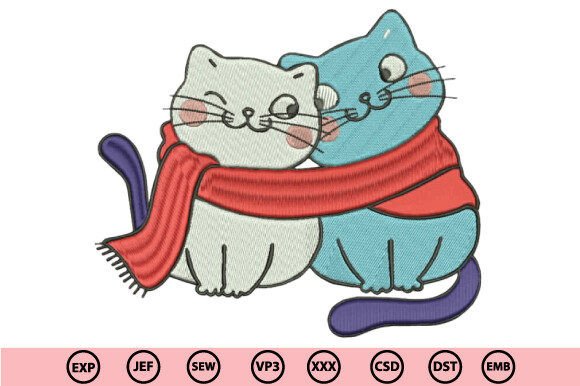
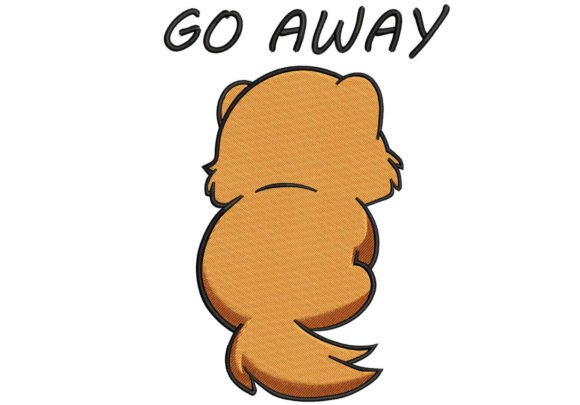
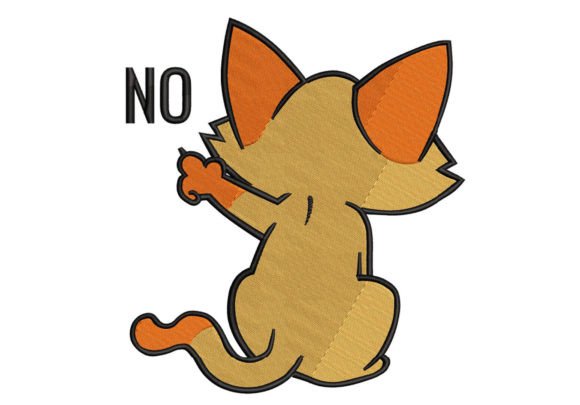
When I review an embroidery design, I am rarely looking for just "cute." As a designer who prepares files for both personal projects and commercial client work, I am looking for stitch clarity, visual balance, and marketability. The Adorable Cat s Disapproval Embroidery is one of those designs that immediately catches the eye not because it is complex, but because it has a distinct personality. It captures a specific mood—the playful sass of a feline turning its head away in judgment—and translates that into a format that works well on fabric. In this review, I will break down how this design performs in real-world applications, where it shines, and where you need to be careful with your hoop size and stabilizer choice.
First Impressions and Visual Personality
The moment you open the file, the layout suggests a compact, focused composition. This is not a sprawling landscape design meant to cover an entire back panel; it is a character piece. The cat’s expression is the hero here. The turn of the head creates a natural curve that guides the eye, making it highly effective for chest placements or centered logos. For an Etsy seller or a small shop product owner, this kind of recognizable emotion is gold. Customers connect with humor and relatability, and a cat giving the silent treatment is universally understood.
The design relies heavily on clean lines and expressive shapes rather than excessive detail. This is a smart approach for machine embroidery. If every tiny whisker were rendered in high-density satin, the fabric would pucker, and the fine details would disappear under thick thread. Instead, this design uses negative space and strategic stitching to imply form. It feels like a modern, minimalist take on traditional pet portraits, which aligns perfectly with current trends in custom apparel and boutique branding.
Real-World Application: Where This Design Shines
I recently tested this design on a variety of materials to see how it would hold up as a finished product. Here is where the Adorable Cat s Disapproval Embroidery truly excels:
- Tote Bags and Canvas Totes: This is perhaps the strongest use case. A sturdy cotton canvas tote allows the stitches to sit cleanly without distortion. Placing this design on the front center or slightly off-center creates an instant conversation starter. It pairs beautifully with simple typography for a complete graphic tee or bag look.
- Baby Clothes and Nursery Decor: The whimsical nature of the cat makes it safe for children’s items. However, because it expresses "disapproval," it adds a layer of irony that parents find amusing. On a onesie or a burp cloth, the small scale works well. Just ensure you use a soft cut-away stabilizer to keep the back gentle against baby skin.
- Kitchen Towels and Aprons: Linen or cotton kitchen towels provide a textured background that hides minor imperfections in stitching tension. The contrast between the fabric weave and the smooth thread gives the design a rustic, handmade appeal. This is perfect for holiday gifts or wedding favors.
- Embroidered Patches: Because the design is contained, it lends itself well to being digitized as a patch with a sew-on or iron-on border. These are popular accessories for denim jackets and backpacks, allowing customers to customize their gear with a touch of humor.
Technical Considerations and Potential Pitfalls
While the design is charming, no embroidery project is without its challenges. As a professional, I advise caution in the following areas:
Small Hoop Sizes: Do not attempt to stitch this design at the absolute minimum hoop size allowed by your machine. While the design may fit technically, the density of the stitches around the cat’s face and ears may become too tight. This can cause the fabric to pucker significantly, distorting the cute expression into something unintentionally grotesque. Always test on scrap fabric first to ensure the spacing remains breathable.
Fabric Texture and Stretch: Avoid using this design on highly textured fabrics like heavy boucle or very thin, sheer materials. On stretchy knits, such as thin t-shirt material, you must use a strong tear-away or cut-away stabilizer. Without proper support, the curves of the cat’s body may shift during stitching, leading to misalignment. Similarly, dark fabric requires careful thread color selection. If the cat is designed in light colors, you may need a backing layer or a contrasting outline to make the shape pop against black or navy backgrounds.
Dense Stitch Areas: Pay attention to any fill stitches used for the fur or clothing elements. High stitch density can make the final product stiff. If you are creating a sweatshirt embroidery item, this stiffness might be noticeable and uncomfortable. In such cases, consider reducing the stitch count if your digitizing software allows, or choose a softer garment weight to compensate.
Impact on Brand and Customer Perception
For commercial embroidery businesses, the quality of execution directly impacts customer trust. A poorly stitched version of this design could look messy, undermining the professionalism of your brand. However, when executed correctly—with proper thread colors, balanced stitch density, and clean finishing—it signals attention to detail. Customers perceive high-quality embroidery as premium. They are willing to pay more for a handmade product that looks crisp and intentional.
The "disapproval" theme also drives engagement. People love to share products that reflect their personality or sense of humor. An embroidered patch with this design is highly "instagrammable." It invites comments and shares, which is invaluable for organic marketing on social media platforms. It transforms a simple accessory into a statement piece.
Practical Designer Notes Before You Stitch
Before adding this to your production queue, follow these steps to ensure success:
- Test on Scrap Fabric: Always run a test stitch on the exact fabric and stabilizer combination you plan to use. This reveals issues with tension, puckering, or color contrast before you commit to a sellable item.
- Check Thread Contrast: View your design in black and white mockups to ensure there is enough contrast between the different stitch types. Satin stitches should stand out clearly from fill stitches.
- Verify Licensing: If you are selling finished goods or digital assets, confirm the licensing terms. Ensure you have the right to use the embroidery file for commercial purposes. Some designers restrict the number of units you can sell.
- Inspect Small Details: Zoom in on the digitized file. Are there any tiny floating stitches that might break? Are the corners of any applique sections sharp enough? Minor adjustments in the digitizing phase can save hours of rework later.
- Stabilizer Selection: Match the stabilizer to the fabric weight. Heavy fabrics need heavy stabilizers; light fabrics need lightweight, temporary options. Using the wrong stabilizer is the most common cause of failed embroidery projects.
In conclusion, the Adorable Cat s Disapproval Embroidery is a versatile, marketable, and visually appealing design. It works best when paired with sturdy fabrics and proper stabilization techniques. By respecting the technical requirements and leveraging its humorous charm, you can create high-value personalized gifts and craft business items that resonate with customers. It is a solid addition to any digital embroidery file library, offering a blend of cuteness and attitude that stands out in a crowded marketplace.