Love Cat Embroidery Design Review
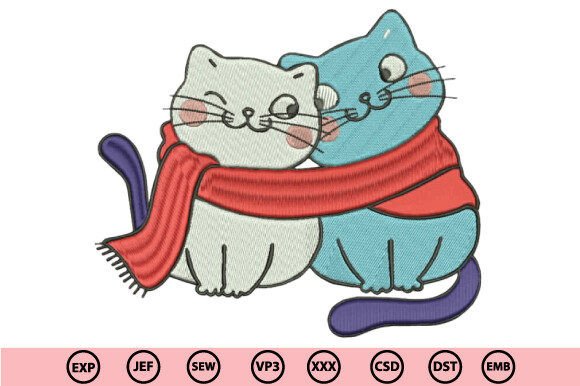
If you are preparing for a busy weekend craft fair or updating your Etsy seller inventory, the visual impact of your booth is everything. As an experienced embroidery designer, I spend hours evaluating digital assets before committing them to fabric. Today, I am reviewing the Love Cat Embroidery Design, a file featuring a couple of cute cats sharing a red scarf. This design promises warmth and whimsy, making it a strong contender for handmade market products. But does it hold up under the scrutiny of production? Does it photograph well? And most importantly, will it sell?
First Impressions: The Mood of Love Cat Embroidery Design
The moment you load the embroidery file, the aesthetic speaks for itself. The concept of two cats huddled together under a single red scarf immediately evokes feelings of coziness, affection, and playfulness. It is not overly complex or intimidating; rather, it feels soft, modern, and highly decorative. For a craft fair product, this is ideal because customers connect emotionally with imagery that suggests comfort.
In a crowded marketplace, designs that feel premium yet approachable tend to perform best. The red scarf provides a natural focal point—a pop of color that draws the eye even from a distance. Whether you are aiming for a farmhouse vibe, a modern minimalist look, or just general cuteness, Love Cat Embroidery Design fits seamlessly into these categories. It avoids being too childish while remaining accessible to all ages, which expands your potential customer base significantly.
Product Versatility: Where Love Cat Embroidery Design Shines
One of the biggest challenges for boutique makers is finding a single design that works across multiple product lines. Fortunately, this design is incredibly versatile. Here is how it performs on key items:
- Tote Bags and Market Bags: A classic application. Placing Love Cat Embroidery Design on the front center or in the corner of a canvas tote creates an instant statement piece. The contrast between the sturdy fabric and the delicate stitching adds value.
- Aprons and Tea Towels: Kitchen items are staple sellers at handmade markets. On a white or neutral linen apron, the red scarf will stand out beautifully. For tea towel embroidery, the design serves as a charming accent that makes the item giftable and practical.
- Caps and Beanies: Curved surfaces can be tricky, but if the stitch density is balanced, this design works well on the front panel of baseball caps or beanies. It adds a personal touch that mass-produced merchandise lacks.
- Pillow Covers and Home Decor: As suggested in the description, this design is perfect for pillowcases and bed sets. Imagine a set of matching pillows featuring the cat couple—it creates a cohesive, inviting bedroom aesthetic that buyers love.
- Embroidered Patches: If you produce patches, this design translates well. The clear outline of the cats and the scarf allows for clean trimming, making it a great standalone accessory for jackets or denim bags.
Production Practicality and Booth Display
From a production standpoint, ease of use is critical. You need a machine embroidery design that runs smoothly without constant thread breaks or tension adjustments. When reviewing files like Love Cat Embroidery Design, I always look for logical jump stitches and manageable color changes.
For your booth display, consider creating a "hero" item. A large pillow cover or a high-quality apron featuring this design will stop traffic. Customers often gravitate toward items that look expensive but are priced accessibly. The perceived value of commercial embroidery increases when the design fills the space appropriately without looking cluttered.
Photography is also key. The red scarf offers excellent contrast for photos, ensuring your printable mockup or online listing images pop on social media feeds. Bright, warm lighting will enhance the cozy feeling of the design, encouraging impulse buys.
Important Considerations for Production
While the design sounds promising, there are technical factors you must manage to ensure a professional finish:
- Stitch Density: Check the density of the fill stitches. If the area covering the cats is too dense, the fabric may pucker, especially on lightweight materials like t-shirts or thin tea towels. Conversely, if it is too sparse, details may get lost.
- Thread Colors: Ensure you have high-quality threads that match the intended palette. The red of the scarf should be vibrant, not muddy. Test different thread brands to see which gives the best sheen.
- Hoop Size: Confirm the recommended hoop size for the file. If the design is larger than your standard hoops, you may need to reposition it or use a multi-hooping technique, which increases production time.
- Stabilizer Choice: Using the right stabilizer is non-negotiable. For stretchy fabrics like jersey tees, a cut-away stabilizer is essential. For woven cottons like aprons, a tear-away might suffice, but a wash-away backing can prevent stiffness.
- Fabric Texture: Be mindful of textured fabrics. While burlap or heavy tweed looks rustic, it can obscure fine details. Stick to smoother fabrics for the clearest representation of the cat features.
Selling Strategy for Small Shop Owners
As a small shop product, bundling can increase your average order value. Consider offering a "Cozy Kit" that includes a tea towel and a matching mug coaster, both embroidered with variations of Love Cat Embroidery Design. This encourages customers to buy more than one item.
Also, think about seasonal relevance. While cats are year-round sellers, the scarf motif leans heavily into autumn and winter themes. Launching this line in late fall or around Valentine’s Day could capitalize on gift-giving seasons. The "sharing a scarf" aspect is inherently romantic and friendly, making it suitable for couples, friends, or pet lovers.
Final Designer Notes
Before you commit to a full production run, follow these steps:
- Test on Scrap Fabric: Always stitch a test version on the exact fabric you plan to sell. This reveals issues with shrinkage, puckering, or color clash.
- Check Commercial Licensing: Verify that you have the proper rights to sell finished goods made from this digital embroidery file. Different platforms have different rules regarding commercial use.
- Create Real Mockups: Don’t rely solely on digital previews. Photograph actual samples to show customers the texture and depth of the stitches.
- Inspect Details: Zoom in on the digital file. Are the eyes clear? Is the scarf shape distinct? Tiny details can become blobs if the resolution is low or the stitching is poorly optimized.
In conclusion, Love Cat Embroidery Design is a charming, versatile asset for any embroiderer. Its emotional appeal and visual clarity make it a strong candidate for handmade products that resonate with buyers. By paying attention to production details and presenting it strategically, you can turn this simple file into a best-selling addition to your booth or online store.