Ballerina Digital Embroidery Design Review
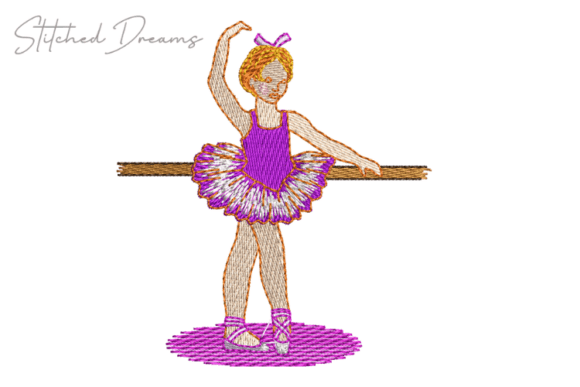
As an embroidery designer who spends countless hours digitizing and testing files for commercial use, I approach every new machine embroidery design with a critical eye. We aren't just looking for something pretty; we are looking for something that holds up under the needle, translates well to various fabrics, and elevates the perceived value of a brand. Today, I am reviewing the Ballerina Digital Embroidery Design, a file described as bringing "grace and elegance" to life with a beautifully poised figure mid-dance.
This review is tailored for small business owners, embroidery shops, Etsy sellers, and apparel decorators who need reliable design assets for their merchandise. Whether you are creating branded patches, staff uniforms, or boutique accessories, understanding how this embroidery file performs in real-world applications is crucial before committing to production.
First Impressions: Visual Personality and Brand Fit
The description highlights "grace and elegance," which immediately suggests a specific aesthetic direction. In my experience, designs that lean into classic elegance can be powerful tools for brands that want to communicate sophistication, care, and attention to detail. The imagery of a ballerina mid-dance implies movement and poise, making it more dynamic than a static portrait.
For a small business, visual consistency is key. This design feels premium and handmade, which aligns perfectly with brands in the following sectors:
- Boutique Apparel: Adding a subtle touch of femininity and strength to children’s wear or women’s activewear.
- Creative Studios & Bakeries: A charming accent on packaging tags or aprons that suggests artistry.
- Pet Brands: Surprisingly effective for high-end pet accessories where "elegance" differentiates the product from mass-market items.
- Event Merchandise: Perfect for dance recitals, ballet schools, or themed parties where the theme is performance and grace.
However, designers must consider the target audience. While the category might list "Boys," the imagery of a ballerina may not resonate with all demographics unless used in a context that celebrates dance or gender-neutral expression. For most general small business merch, this design leans heavily towards feminine or artistic branding. It is bold in its elegance but soft in its execution.
Real-World Business Applications
When evaluating a digital embroidery file for commercial use, I look at versatility. Can this design work across multiple products? Here is how the Ballerina design performs in common business scenarios:
Embroidered Patches and Brand Labels
This design shines when converted into an embroidered patch. The central focus of the ballerina allows for a clean, circular, or shield-shaped patch border that frames the image effectively. These patches are excellent for:
- Back-of-neck labels on handmade garments.
- Sleeve accents on denim jackets or tote bags.
- Branded stickers for product packaging, giving customers a tactile connection to the brand.
Apparel and Uniforms
For staff uniforms, particularly in cafes, boutiques, or dance studios, this design adds a professional yet welcoming touch. On an apron embroidery project, placing the ballerina on the chest pocket creates a focal point without overwhelming the garment. Similarly, for cap embroidery, a smaller version works well on the front panel, offering a unique alternative to standard text-only caps.
Tote Bags and Accessories
A tote bag design featuring this motif appeals to customers who value aesthetics. The contrast between the structured canvas of a tote and the delicate lines of the embroidery creates a high-quality finish. It transforms a basic accessory into a statement piece, encouraging customer engagement and social media sharing.
Technical Considerations and Potential Pitfalls
No design is perfect, and as a professional, I must highlight where this Ballerina Digital Embroidery Design requires careful handling. Embroidery is a physical medium, and digital beauty does not always translate directly to thread.
Size and Detail Limitations
One of the biggest risks with intricate designs like a dancer in motion is losing detail at small sizes. If you plan to use this for tiny product labels or small cap logos, you must test it thoroughly. Fine outlines and thin limbs of the ballerina may merge together if the stitch density is too high or the scale is too small. Always create a printable mockup at 100% size to inspect the spacing before digitizing or ordering.
Fabric and Stabilizer Choices
The choice of fabric texture plays a significant role in the final look. On highly textured fabrics like heavy burlap or loose-weave linen, the fine details of the dress and limbs may get lost. For best results, use smooth cotton blends or twill. Additionally, proper stabilizer usage is non-negotiable. A lightweight cut-away stabilizer will help maintain the shape of the design and prevent puckering, especially on stretchy knits.
Thread Color Contrast
Elegance often relies on subtlety, but embroidery needs contrast. If using dark uniforms or black tote bags, ensure your thread colors provide enough visibility. A monochromatic scheme (e.g., white thread on black fabric) can look sophisticated, but it requires high-quality thread to avoid a muddy appearance. Conversely, bright colors might clash with the "classic" vibe. Test your thread colors on the actual fabric swatch.
Washability and Durability
For items that require frequent washing, such as staff aprons or children’s clothing, check the stitch density. High-density areas can feel stiff and uncomfortable. If the design includes large fill stitches, it may crack or peel over time if not backed correctly. Ensure the hoop size accommodates the entire design without cutting off any critical elements during the hooping process.
Impact on Brand Identity and Customer Trust
Using a high-quality, well-executed design like the Ballerina motif signals professionalism. Customers associate neat, precise embroidery with quality craftsmanship. When a buyer sees a carefully stitched ballerina on a product, they perceive higher value and trust in the brand’s attention to detail. This visual consistency reinforces brand recognition and helps your handmade product stand out in a crowded marketplace like Etsy or local craft fairs.
Furthermore, personalized embroidery fosters emotional connections. A gift item embroidered with this elegant design feels more thoughtful and special than a printed counterpart, enhancing buyer engagement and encouraging repeat purchases.
Practical Designer Notes for Production
Before adding this commercial embroidery asset to your catalog, follow these essential steps:
- Test in Black and White: Convert the design to grayscale to check contrast and balance without the distraction of color.
- Check Small Scale: Zoom in on the digitized file to ensure no overlapping threads obscure the details.
- Confirm Hoop Size: Verify that the design fits within your machine’s maximum hoop dimensions to avoid multi-hooping errors.
- Use Proper Stabilizer: Match the stabilizer weight to the fabric type to prevent distortion.
- Create a Mockup: Generate a realistic preview for client approval to manage expectations regarding color and texture.
- Verify Licensing: Always confirm the commercial licensing terms. Ensure you have the right to sell finished goods made with this embroidery file.
In conclusion, the Ballerina Digital Embroidery Design offers a blend of charm and elegance that can significantly enhance small business merchandise. By understanding its strengths in branding and its technical requirements in production, you can leverage this design to create memorable, high-quality products that resonate with your customers.