Cute Elephant Embroidery Design Review
As an embroidery designer who spends weekends hunched over a sewing machine and weekdays planning booth displays for craft fairs, I know that not every digital file translates into a bestseller. You can have the most beautiful machine embroidery design, but if it doesn’t photograph well or feels cluttered on a small product, it won’t move off your table. Today, I am reviewing the Cute Elephant Embroidery Design, a file marketed under the Baby Animals category with a description promising an adorable touch for kids’ clothing and nursery items. Let’s break down whether this embroidery file is worth adding to your production queue for your next handmade market.
First Impressions and Visual Appeal
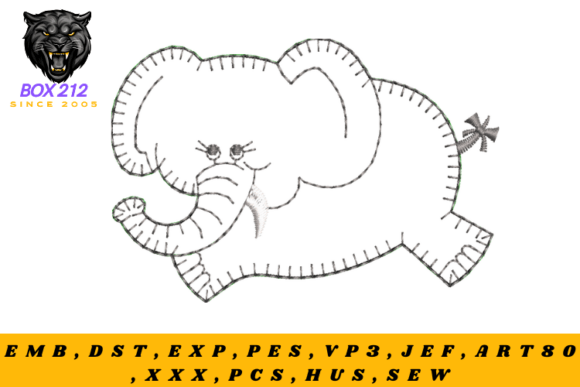
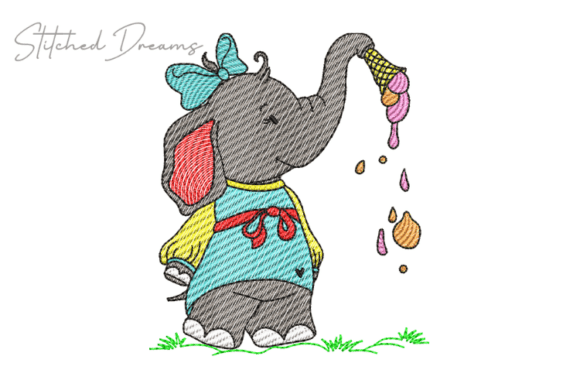
The moment you pull up the preview of the Cute Elephant Embroidery Design, the goal is clear: charm. The description highlights a "playful and lovable elephant," which immediately signals softness and approachability. In the world of handmade products, especially those targeting parents and young families, emotional connection drives sales. This design does not scream bold modern art; rather, it whispers comfort. It feels suitable for a farmhouse aesthetic, a rustic boutique, or a soft, pastel-themed nursery collection.
For a craft fair seller, first impressions are everything. A customer walking by your booth needs to see something that stops their eye within three seconds. An elephant motif is universally loved, but the execution matters. If the lines are too thin or the details too intricate, the design might look muddy from a distance. However, based on the "charming" descriptor, this digital embroidery file likely strikes a balance between detail and readability. It promises to be a focal point without being overwhelming, making it an excellent candidate for a craft fair product that appeals to impulse buyers looking for gifts.
Product Versatility: Where Does It Shine?
One of the biggest mistakes new Etsy sellers and boutique makers make is limiting their application. A great embroidery design should be versatile. Here is how the Cute Elephant Embroidery Design performs across various popular handmade categories:
- Tote Bags and Market Bags: This is perhaps the strongest use case. A simple canvas tote bag provides a neutral background that allows the thread colors of the elephant to pop. As a tote bag design, it adds a personal touch that mass-produced bags lack. Customers love carrying their purchases in something they made themselves, and this design elevates a basic item into a gift-worthy piece.
- Apron Embroidery: For the home baker or the parent cooking with toddlers, an apron featuring this design is practical yet sweet. Placed on the chest pocket or centered below the bib, the Cute Elephant Embroidery Design becomes a statement of personality. It works particularly well as an apron embroidery project because the fabric area is large enough to show off the design’s charm without requiring complex digitizing adjustments.
- Kitchen Towels and Tea Towels: Quick to produce and affordable to sell, these are perfect for high-volume booths. Tea towel embroidery allows you to batch-produce items quickly. The elephant motif fits perfectly in a kitchen setting, suggesting a family-friendly home. Just ensure your stitch density is appropriate for terry cloth or cotton blends so the design doesn’t pucker.
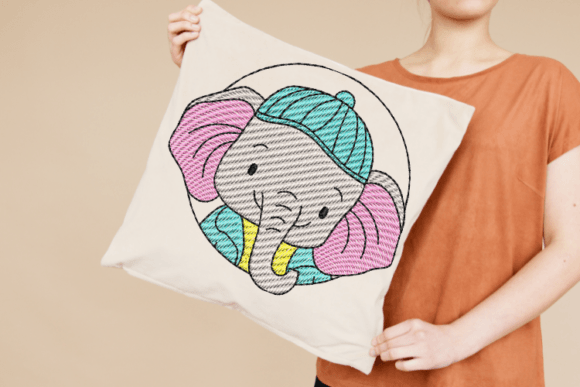
- Baby Items and Nursery Decor: The description specifically mentions baby blankets and nurseries. This is where the design finds its core audience. Pillow covers, swaddle blankets, and crib sheets benefit from the soft, playful nature of the elephant. These items often command a higher price point because they are perceived as premium gifts for baby showers.
- Embroidered Patches and Caps: If the design has a clean outline, it can be converted into an embroidered patch for backpacks or hats. Baseball caps are a staple at craft fairs, and a cute animal face on the front panel is a classic seller. Ensure your hoop size accommodates the curvature of the cap during production.
Production Practicality and Quality Control
From a production standpoint, efficiency is key. You want designs that are easy to hoop, stable, and quick to stitch. When evaluating the Cute Elephant Embroidery Design, you must consider the following technical aspects:
- Stitch Density and Detail: Elephants have large bodies and small features like eyes and trunks. Check the stitch density closely. If the eyes are tiny satin stitches, they might become lost in thick fabrics like denim or fleece. Test the design on scrap fabric to ensure the fine details remain crisp. Avoid placing tiny text near the elephant unless the font is bold and legible.
- Fabric Texture Compatibility: This design will look different on smooth cotton versus textured linen or waffle weave. On highly textured fabrics, the definition of the elephant’s shape may soften. For the best visual appeal, stick to smooth-to-medium texture fabrics for your initial runs. This ensures your finished product looks professional and polished.
- Thread Contrast: The success of any machine embroidery design relies heavily on contrast. A light gray elephant on a white shirt will disappear. Choose thread colors that stand out against your base fabric. Dark blues, bright yellows, or soft pinks often work well for animal motifs. Always hold your thread spool up to the fabric before starting the run.
- Stabilizer Selection: To prevent distortion, especially on lightweight knits used for baby clothes, you need the right stabilizer. Cut-away stabilizers are generally safer for permanent garments, while tear-away might suffice for temporary items like tea towels. Incorrect stabilizer choice can lead to puckering, which ruins the premium feel of your handmade product.
Marketing and Display Strategy
Once you have produced your samples, how do you present them? The Cute Elephant Embroidery Design lends itself to a cohesive booth theme. Group your items together: hang the aprons, stack the folded tote bags, and lay out the baby blankets. This creates a "village" effect that draws customers in.
Photography is crucial for both your physical display and your online Etsy listings. Take photos of the elephant design on a variety of backgrounds. Show it close-up to highlight the quality of the stitching, and show it in lifestyle settings (e.g., a baby wearing the blanket) to help customers visualize ownership. Use these images as printable mockups for your social media marketing to drive traffic to your booth or shop.
Remember, you are selling more than just an embroidered image; you are selling the joy of handmade goods. The Cute Elephant Embroidery Design taps into nostalgia and affection. By ensuring your production quality is high—checking for loose threads, trimming stabilizer cleanly, and pressing your final items—you reinforce the value of your brand. This attention to detail is what turns a casual browser into a loyal customer.
Final Designer Verdict
The Cute Elephant Embroidery Design is a strong contender for any maker looking to expand their catalog of small shop products. Its versatility across apparel, home decor, and accessories makes it a flexible asset. However, always remember to check the specific commercial embroidery licensing terms before selling finished goods. Confirm the recommended hoop size and test on your actual production materials. If executed well, this design has the potential to be a standout hit at your next craft fair, bringing smiles to faces and sales to your register.