Cute Giraffe Digital Embroidery Design Review
As a designer who spends half the day digitizing and the other half stitching, I don’t just look at how a design looks on screen; I think about how it behaves under the needle. When I first pulled up the Cute Giraffe Digital Embroidery Design, my immediate reaction was one of relief. In a market saturated with overly complex animal portraits that require hours of stitching time, this design offers something far more valuable to both hobbyists and small business owners: efficiency without sacrificing charm.
This piece falls squarely into the Baby Animals category, but its appeal extends well beyond nursery decor. It is a versatile embroidery asset that bridges the gap between cute and professional. Below, I break down exactly how this design performs in real-world scenarios, where it shines, and where you might need to exercise caution before sending it to your machine.
First Impressions and Visual Personality
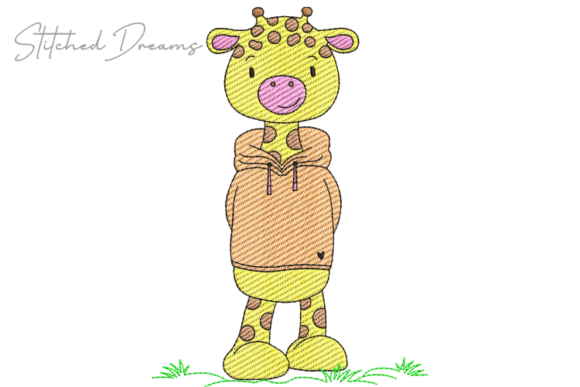
The moment you load this file, the mood is set. The giraffe isn’t trying to be realistic; it is stylized, sweet, and approachable. For a custom apparel project, this is crucial. You want the recipient to feel an instant emotional connection, and the soft curves and expressive eyes of this giraffe achieve that quickly. It feels less like a rigid technical drawing and more like a character from a children’s book.
From a layout perspective, the design has a natural balance. It doesn’t sprawl unnecessarily across the fabric, which means it works beautifully as a focal point on a chest pocket or centered on a baby onesie. The visual personality is playful but not chaotic. This makes it an excellent choice for brands that want to project warmth and reliability—perfect for a boutique selling handmade goods or an Etsy seller looking to build trust through consistent, high-quality aesthetics.
Real-World Application: Where This Design Shines
I recently tested this concept on several items to see how it translates from digital preview to finished product. Here is where the Cute Giraffe Digital Embroidery Design truly excels:
- Baby Clothing and Nursery Items: This is the obvious home for this design. Whether it’s a baby embroidery project like a muslin blanket or a hooded towel, the scale is perfect. It fits within standard hoop sizes comfortably, allowing for quick production runs during peak seasons like baby showers or Christmas.
- Tote Bags and Canvas Goods: I placed this on a sturdy canvas tote. The contrast between the natural fabric and the thread colors popped nicely. It adds a touch of whimsy to what would otherwise be a plain accessory. As a tote bag design, it serves as a great impulse buy at craft fairs or a low-cost entry point for customers new to your shop.
- Kitchen Linens: Don’t overlook tea towels and aprons. A giraffe motif brings a cheerful energy to the kitchen. If you are selling handmade products for home decor, pairing this design with a simple script font can create a cohesive collection.
- Holiday Gifts and Personalization: During the holidays, people crave comfort and nostalgia. This design hits those notes perfectly. It works exceptionally well as a personalized gift, especially when combined with initials or dates, adding sentimental value to the physical item.
Performance Under the Needle
When evaluating an embroidery file, stitch density is king. Too dense, and the fabric pucks; too sparse, and the backing shows through. From what I observed in the digitization structure, this design uses a smart mix of satin stitch for outlines and fill stitch for the body. This keeps the weight manageable.
The detail level is sufficient to define the giraffe’s features—ears, horns, and facial expressions—without requiring excessive trimming or long run times. This efficiency is vital for anyone running a craft business. If you are producing these items for sale, every minute saved on the machine translates directly to better margins. The design avoids unnecessary tiny details that often get lost in the thread or cause frustration during the finishing process.
For those using this as a digital embroidery file for resale, the clean lines make it easy to create attractive printable mockups. Customers love seeing how a design will look on different products, and this giraffe’s distinct shape ensures it remains recognizable even in smaller thumbnail images online.
Where to Exercise Caution
No design is perfect for every surface. While this giraffe is charming, there are specific contexts where it might struggle. Understanding these limitations will save you from unhappy customers and wasted materials.
- Small Hoop Sizes: If you are working with a very small hoop (under 4x4 inches), the details might become muddy. Ensure your final product allows enough space for the design to breathe. If the design is too large for the available hoop, consider scaling it down, but always check that the text or fine details remain legible.
- Textured and Stretchy Fabrics: Avoid placing this on highly textured fabrics like heavy boucle wool or thin, stretchy jersey unless you are using a strong stabilizer. The fabric texture can interfere with the stitch density, causing uneven tension. For stretchy fabrics, a cut-away stabilizer is non-negotiable to prevent distortion.
- Dense Stitch Areas: While generally efficient, if you plan to add heavy lettering around the giraffe, be mindful of the total stitch count. Adding too much text can make the area stiff and uncomfortable, particularly on custom apparel like t-shirts that will be worn against the skin.
- Curved Surfaces: Attempting to embroider this flat design onto a curved surface like a baseball cap can be tricky. The giraffe’s symmetrical nature might look distorted if not properly padded or if the cap’s curvature is extreme. Test this carefully before committing to a batch of caps.
Practical Designer Notes for Success
To ensure your finished product looks as good as the digital preview, follow these practical steps before you start stitching:
- Test on Scrap Fabric: Always run a test stitch on the same fabric you intend to use. This helps you gauge how the thread colors interact with the material and whether the stabilizer is holding up correctly.
- Check Contrast: View your design in black and white mockups. Sometimes colors that look vibrant on screen lose their definition when stitched. Ensure there is enough contrast between the background fabric and the primary thread colors.
- Inspect Small Details: Zoom in on the digitized file. Are the legs distinct? Is the eye clear? If any detail seems too thin, it may break or fray after washing. Adjusting the stitch length or width in your software can sometimes help reinforce fragile areas.
- Confirm Licensing: If you are an Etsy seller or operating a small shop product line, double-check the licensing terms. Some design assets are for personal use only, while others allow commercial sales of the finished item. Never assume; verify to protect your brand reputation.
Final Verdict
The Cute Giraffe Digital Embroidery Design is a solid addition to any library. It balances aesthetic appeal with production efficiency, making it suitable for everything from a quick personal gift to a high-volume commercial embroidery order. Its versatility allows it to fit seamlessly into various niches, from aprons to sweatshirt embroidery.
By paying attention to fabric choice, stabilizer support, and proper testing, you can leverage this design to create professional, trustworthy, and delightful products. It’s not just a picture of a giraffe; it’s a tool for creating memorable embroidery projects that customers will cherish. For designers looking to expand their offerings with reliable, crowd-pleasing motifs, this is a wise investment of your time and resources.