Pink Gerbera Embroidery Digital Papers Review
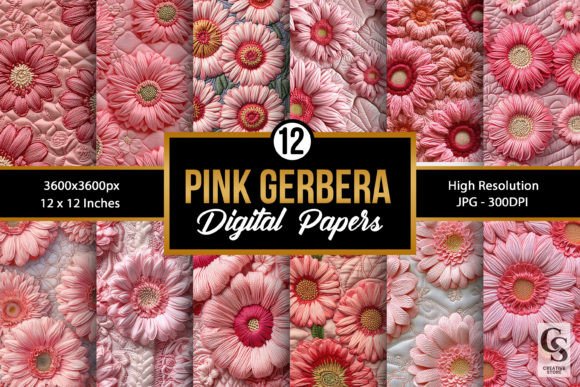
As an embroidery designer who spends hours tweaking stitch density and testing thread colors, I am always on the lookout for design assets that can elevate a simple project into something truly special. Recently, I came across Pink Gerbera Embroidery Digital Papers on Creative Fabrica. The listing promises 12 seamless patterns of high-resolution digital papers featuring pink gerbera flowers. While these are technically graphics rather than direct machine embroidery files (like .pes or .dst), they serve as incredible design assets for creating custom apparel, printable mockups, and textile designs.
I decided to put these digital papers through their paces. My goal was to determine if this product is worth downloading for real-world projects, such as preparing designs for Etsy listings, crafting boutique merchandise, or creating personalized gifts. Here is my honest evaluation based on practical use in a small business context.
First Impressions: Visual Mood and Detail Level
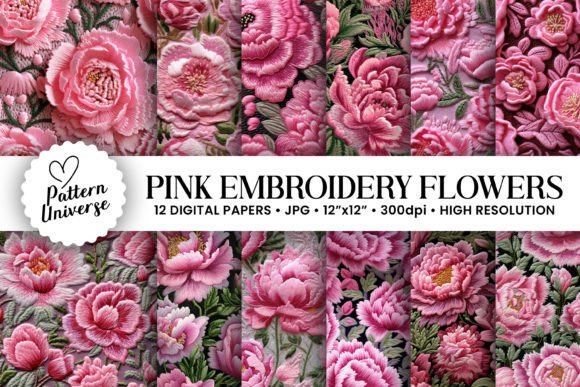
The first thing that strikes you about Pink Gerbera Embroidery Digital Papers is the vibrancy of the color palette. Pink gerberas are inherently cheerful and bold, making them perfect for spring collections, baby showers, or bright summer accessories. The digital papers provided are high-resolution JPG files at 300dpi, sized at 3600 x 3600 pixels (12″ x 12″). This resolution is crucial because it allows for detailed inspection without pixelation, which is vital when planning intricate embroidery layouts.
The visual mood is playful yet elegant. These aren’t just flat images; the seamless nature of the patterns suggests depth and repetition that works beautifully for background textures. For an embroiderer, this means you can use these digital papers as underlays for applique designs, reference guides for free-motion stitching, or even as printed fabric backgrounds to layer with satin stitch details. The detail level is sufficient to distinguish individual petals, allowing for accurate thread color mapping if you are digitizing your own motifs inspired by these flowers.
Practical Application in Real Projects
One of the most common questions I get from fellow crafters is how to integrate digital graphics into physical embroidery products. Pink Gerbera Embroidery Digital Papers fits seamlessly into several categories of handmade products:
- Tote Bag Design: Use the pattern as a print on canvas tote bags, then add a central embroidered monogram or a single large gerbera motif using satin stitch for contrast.
- Sweatshirt Embroidery: Create a subtle all-over print effect on light-colored hoodies using these digital papers, then overlay a small, dense fill-stitch logo in the corner.
- Baby Items: The soft pink tones are ideal for nursery decor, baby blankets, or burp cloths. You can use the digital paper to create custom wrapping paper or tags for your finished products.
- Kitchen Towels and Aprons: A repeated pattern of gerberas adds a fresh, homey feel to kitchen textiles. Pairing this with a simple running stitch border enhances the handmade aesthetic.
- Embellished Patches: Print the digital paper onto heat-transfer sheets to create backing for embroidered patches, adding a colorful floral backdrop behind stitched letters or icons.
For Etsy sellers and creative entrepreneurs, these digital papers are also invaluable for creating printable mockups. Instead of photographing every single product variation, you can digitally place your embroidery designs onto mockups featuring the gerbera patterns. This saves time and ensures brand consistency across your online shop.
Technical Considerations for Embroidery Integration
While Pink Gerbera Embroidery Digital Papers are not direct embroidery files, they play a critical role in the pre-production phase. Here are some practical notes to keep in mind when using them:
- Hoop Size and Layout: Since the files are 12″ x 12″, they fit comfortably within standard large hoop sizes (such as 5″ x 7″ or 6″ x 10″ frames) when scaled down. However, if you plan to use the full pattern as a background print, ensure your garment or fabric piece is large enough to accommodate the repeat without awkward cropping.
- Stitch Density and Contrast: When designing over or around these patterns, pay close attention to thread colors. If you are adding satin stitch borders or fill stitches, choose threads that contrast sharply with the pink hues to maintain clarity. Dark fabrics may require a stabilizer underlay to prevent show-through, especially if the digital paper is used as a base layer.
- Fabric Texture: These patterns look best on smooth fabrics like cotton twill, denim, or polyester blends. Highly textured fabrics, such as chunky knits or terry cloth, might obscure the fine details of the digital design if used as a reference for placement.
- Stretchy Fabrics: For items like caps or fitted sweatshirts, be mindful of fabric stretch. If you are printing the digital paper directly onto fabric before embroidering, use a proper stabilizer to prevent puckering during the wash cycle.
Impact on Product Value and Branding
In the competitive world of handmade goods, presentation matters. Using cohesive design elements like Pink Gerbera Embroidery Digital Papers can significantly enhance buyer trust and perceived value. Consistent visual themes help customers recognize your brand instantly. Whether you are selling at craft fairs or operating an online boutique, a unified aesthetic—from your product photos to your packaging—creates a professional impression.
Furthermore, these digital papers support giftability. A tote bag or apron adorned with gerbera-themed embroidery feels personal and thoughtful, making it an excellent choice for holidays, birthdays, or housewarming gifts. The cheerful nature of the flowers evokes positive emotions, which can lead to higher customer engagement and repeat purchases.
Final Verdict and Recommendations
Overall, Pink Gerbera Embroidery Digital Papers is a versatile and high-quality resource for designers looking to expand their creative toolkit. While it does not replace the need for actual digitized embroidery files, it serves as an excellent companion for concept development, mockup creation, and textile design.
Before incorporating these assets into your commercial workflow, I recommend the following steps:
- Test on Scrap Fabric: Always run a test print or stitch-out on scrap material to check color accuracy and fabric compatibility.
- Review Licensing: Confirm the licensing terms on the Creative Fabrica product page to ensure you are compliant with commercial use policies, especially if you are selling finished products.
- Inspect Details: Zoom in on the 300dpi files to ensure the petal details meet your standards for precision.
- Compare Mockups: View the digital papers against both light and dark fabric backgrounds to visualize how they will look in final production.
If you are an embroidery designer, small business owner, or crafter seeking to add a touch of floral elegance to your projects, this product is definitely worth considering. It offers flexibility, high resolution, and a charming aesthetic that can elevate your handmade products from ordinary to extraordinary.